Shanghai's Silver Tech Industry Week Charts a New Course for AI-Enabled Elderly Care
Shanghai's Silver Tech Industry Week showcases how China is accelerating tech-enabled elderly care through coordinated public and private investment.
2026-11-13
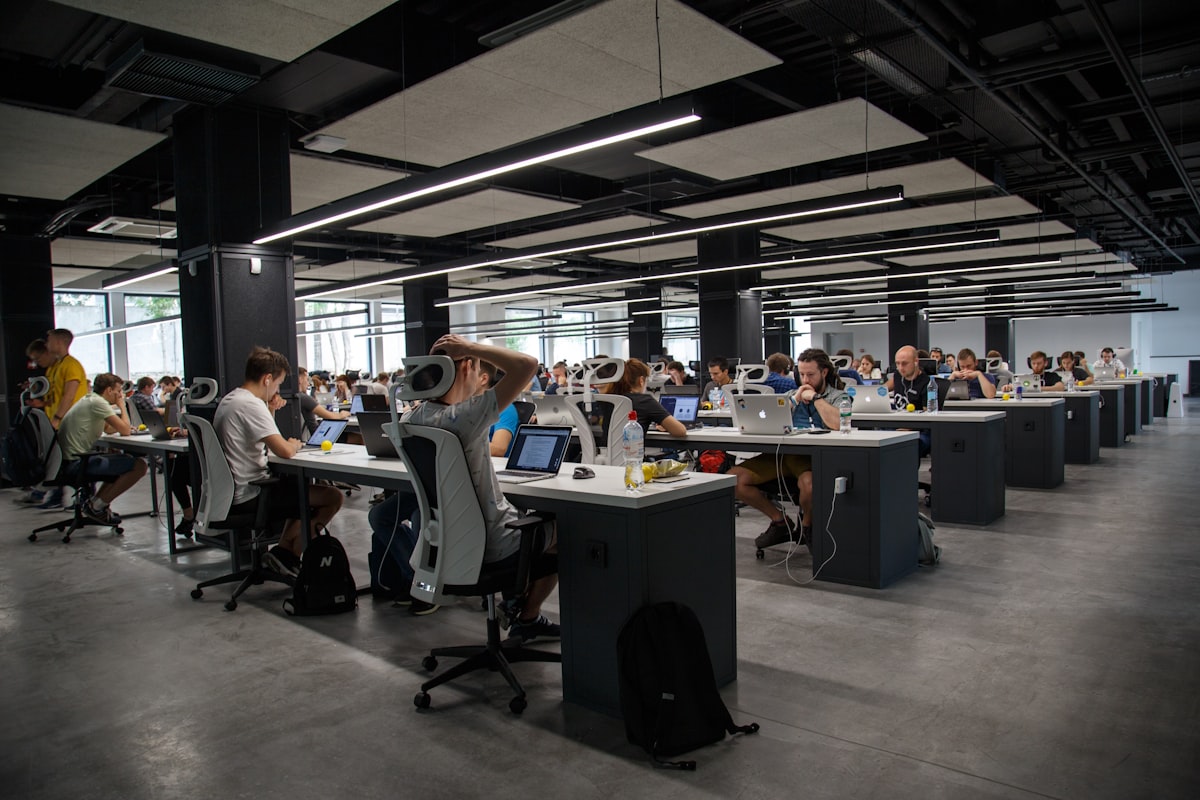
Shanghai has positioned itself at the forefront of China's rapidly expanding elderly care technology movement, using its Silver Tech Industry Week as a platform to demonstrate how urban governments can actively orchestrate the convergence of artificial intelligence, robotics, and care delivery for an aging population. The event signals that China's approach to the silver economy is maturing from scattered pilot programs into something far more coordinated and strategically intentional.
The Technology on Display
Silver Tech Industry Week gave industry stakeholders a concentrated look at the range of solutions now being deployed or tested across Shanghai's elder care ecosystem. The showcase brought together developers of AI-driven monitoring systems, smart home integration platforms, and assistive robotics, reflecting the breadth of innovation China is channeling toward demographic necessity. Rather than treating these as isolated products, the event framed them as components of an interconnected care infrastructure — one where data flows between devices, caregivers, and institutional providers to create a more responsive system for older residents. This systems-level thinking distinguishes Shanghai's current approach from earlier, more fragmented technology adoption efforts seen across the region.
Market Context
China's urgency around elderly care technology is not incidental. The country faces one of the steepest demographic transitions in modern history, with projections pointing to hundreds of millions of citizens reaching retirement age over the coming decades. Shanghai, as one of China's most aged urban centers, has become a de facto laboratory for care innovation at scale. The city's willingness to dedicate a full industry week to this sector reflects how seriously municipal governments are treating the workforce gap in traditional caregiving. With family structures shifting and professional caregivers in short supply, technology is not being positioned as a supplement to human care in Shanghai — it is being developed as a primary delivery mechanism. That framing carries enormous implications for how vendors, investors, and policymakers outside China interpret and respond to what is emerging there.
What's Next
For the global agetech industry, Shanghai's Silver Tech Industry Week is worth watching not just as a trade event but as a policy signal. When a city of Shanghai's scale dedicates institutional energy to convening the elder care technology sector, it accelerates procurement cycles, shapes regulatory expectations, and attracts capital that might otherwise sit on the sidelines. International companies with aging-in-place platforms, remote monitoring tools, or care coordination software should be paying close attention to the standards and partnerships being formed through events like this one.
As China's technology-enabled elderly care model grows more sophisticated and more visible on the world stage, it will increasingly set benchmarks that reshape competitive expectations for the entire aging technology sector.
Get the AgeTech Digest
Funding rounds, product launches, and industry moves — every week, free.